
Business Details
50 Years
experience
Natural Pest Control with Beneficial Insects
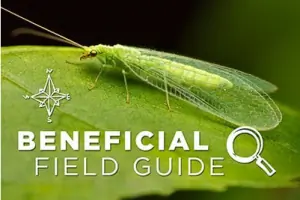
At Organic Control, we are pioneers in natural pest management solutions, dedicated to transforming gardening practices since 1976. Our founder, Steve Hazzard, drew inspiration from his mother's chemical-free gardening methods to develop a holistic approach that leverages beneficial insects. With over four decades of experience, we specialize in providing regenerative, non-toxic pest control solutions that protect both plants and ecosystems. Our expertise spans the cultivation and distribution of over 20 species of beneficial organisms, including nematodes, ladybugs, and lacewings.We maintain rigorous quality standards to ensure product viability, shipping live insects via expedited methods to preserve their effectiveness. As industry leaders, we emphasize education through resources like our Beneficial Field Guide and interactive bug gallery, empowering customers to implement sustainable practices. Our commitment to environmental stewardship drives our mission to reduce chemical dependency while maintaining agricultural productivity.


Services
Beneficial Nematodes
Lady Bugs
Grub Control
Praying Mantids
Earthworms
Predatory Mites
Fungus Gnat Control
Green Lacewings
Fire Ant Control
Mason Bees
Details
- Year established: 1976
Highlights and features
- 40+ years of experience in natural pest management
- Specialize in non-toxic, regenerative gardening solutions
- Offer 20+ species of beneficial organisms for diverse needs
- Provide educational resources for effective implementation
- Maintain strict quality control for live insect viability
Services
Beneficial Nematodes
Beneficial nematodes are microscopic worms that target soil-dwelling pests. These natural parasites seek out and destroy grubs, fungus gnats, and other harmful larvae without chemical intervention. Ideal for lawns, gardens, and agricultural settings, they provide season-long control while maintaining soil health. Our Steinernema feltiae strain offers broad-spectrum pest management.
Lady Bugs
Ladybugs provide natural aphid control through voracious predation. These beetles consume hundreds of aphids daily, protecting plants from destructive infestations. Our Hippodamia convergens ladybugs work effectively in gardens and greenhouses. Proper release timing and environmental conditions ensure optimal pest control performance for both residential and commercial applications.
Green Lacewings
Green lacewings offer multi-stage pest control through both adult and larval forms. Their larvae consume aphids, mites, and small insects while adults pollinate plants. Chrysoperla rufilabris species effectively manages pests in gardens, greenhouses, and agricultural settings. Regular releases maintain balanced ecosystem pest populations naturally.
Trichogramma Wasps
Trichogramma wasps control lepidopterous pests by parasitizing their eggs. These tiny wasps target over 200 pest species including codling moths and corn borers. Their non-stinging nature makes them safe for all environments. Strategic releases during pest egg-laying periods maximize effectiveness in agricultural and horticultural settings.
Predatory Mites
Predatory mites provide targeted control of plant-damaging mites. Our Phytoseiulus persimilis species specializes in spider mite eradication through active predation. Effective in greenhouses and indoor growing environments, these mites establish breeding populations that adapt to pest fluctuations. Regular introductions maintain pest suppression without chemical residues.
People
Steve Hazzard
Founder
Steve Hazzard founded Organic Control in 1976 after observing his mother's chemical-free gardening methods during WWII. He pioneered beneficial insect applications for home gardeners, transforming pest control practices. His vision continues guiding our non-toxic approach to environmental stewardship.
Questions
How do beneficial insects control pests naturally?
Beneficial insects control pests through predation or parasitism. Predators like ladybugs consume harmful pests directly, while parasites like trichogramma wasps lay eggs inside pest eggs, preventing their development.
What pests can beneficial insects control?
Our beneficial insects manage over 200 pest species including aphids, whiteflies, spider mites, grubs, fungus gnats, and various caterpillars. Each beneficial species targets specific pests through natural biological processes.
When should I release beneficial insects?
Release beneficial insects at first pest signs, typically early morning or evening. Follow species-specific timing for optimal effectiveness, often requiring multiple releases spaced 7-14 days apart during active pest cycles.
Are beneficial insects safe for my garden?
Yes, our beneficial insects are non-toxic and target specific pests without harming plants, humans, or pets. They integrate naturally into ecosystems, promoting biodiversity while controlling pest populations sustainably.
How do I store live beneficial insects?
Store live beneficial insects in their original packaging at 50-60°F until release. Avoid direct sunlight and extreme temperatures. Most species require release within 24-48 hours of delivery for maximum viability.
Can beneficial insects work in my climate?
Our beneficial insects adapt to various climates when released under proper conditions. Follow species-specific temperature requirements and application instructions to ensure successful establishment in your specific growing environment.
Videos
Reviews (1)
Brenda Highsmith
Jan 29, 2019
Report
Wonderful place to get plants! As soon as I walked in, I was greeted hello and offered help by the employees. They were so helpful finding the right indoor houseplant and the absolutely knew their stuff!